


Is Claridge’s Worth the Money? A Brutally Honest Breakdown

I went in with measured expectations — and Claridge’s genuinely blew them away. By the time staff were remembering my name at breakfast on day two, I realised this wasn’t just a great hotel. It was something else entirely.
Claridge’s isn’t competing on amenities or technology. It’s competing on atmosphere, history, and the feeling of staying inside a living piece of London — wrapped up in the most pristine interiors I’ve seen anywhere. I couldn’t find a single blown bulb, a mark on a carpet, or a dent in a skirting board.

Quick Menu
Claridge’s London — 2026 Review
-
At a GlanceKey facts · prices · awards · check-in times
-
Location & How To Get ThereBrook Street, Mayfair · Bond Street tube (3 min)
-
Rooms & Suite CategoriesMayfair Suite reviewed · Art Deco design · Compact but immaculate
-
Afternoon Tea & DiningFrom £110 · The Fumoir · Breakfast · Dante collab
-
Spa & Wellness — 2022 RenovationHeated indoor pool · Full price list · Sauna · Steam
-
Dress Code Guide — 2026Afternoon tea · Davies & Brook · The Fumoir · General areas
-
Pricing & Value — The £4,000 QuestionWhat you actually get for £800–£1,200+ per night
-
FAQ — Dress Code, Pool, Breakfast, BookingAll your practical questions answered
-
JP’s Verdict & ScoreWho should book — and who shouldn’t
AT A GLANCE
Location & How To Get There

Mayfair is the point. Claridge’s sits at 49 Brook Street, in the heart of London’s most expensive postcode — Bond Street shopping is three minutes on foot, Hyde Park is ten, the Royal Academy is twelve. What matters more is what’s immediately outside the door: a quiet, tree-lined street of Georgian and Edwardian buildings that feels a world away from Oxford Street’s chaos. This is establishment London at its most polished, and the hotel wears it without effort.
Rooms & Suite Categories
Claridge’s offers 263 rooms and suites across its 1929 Art Deco building. The size surprised me — not tiny, but noticeably smaller than rooms at Rosewood London or The Langham at comparable prices. Here is the full price reference across all categories, followed by my detailed review of the Mayfair Suite I stayed in.
Room categories & prices — 2026
JP’s room
→ See real‑time availability for your dates
Mayfair Suite From £2,200 – First Impressions & Design


The Mayfair Suite opens with a proper entrance hallway — antique mirror on the wall, a small seating area to the right, an option to connect to an adjacent room if you want the space. It sets the tone immediately. This isn’t a room you walk straight into; it’s a room you arrive at. Designed by Guy Oliver, the interiors feel genuinely fresh — not the heavy, museum-piece grandeur you might expect, but a smart contemporary interpretation that respects the Art Deco bones without being enslaved to them.
The bedroom stopped me in my tracks. Incredibly high ceilings with warm strip lighting. A beautiful pastel pink that reads slightly grey on camera — trust me, in person it’s stunning. Blue and green curtains that are genuinely one of the best soft furnishing choices I’ve seen in any hotel. The whole thing is immaculate — not a mark anywhere, not a bulb blown, not a thread loose.
The Bathroom & In-Room Details


The bathroom is a long, narrow marble room — double sinks, a separate tub, a separate rainfall shower, real flowers in a small vase, and floors I’m fairly certain were heated. Thick embroidered towels, two robes with elegant piping detail. The wardrobe is genuinely generous — steamer, Dyson Airwrap, safe, laundry bags, two pairs of slippers, Claridge’s-branded suit bag.
One important note that often gets misreported: soft drinks are complimentary for all guests, across every room category. The alcohol is chargeable — as is the minibar food (£4.50 for chocolate bars, £13 for Fortnum & Mason preserves, £98 for the Trudon candle that I absolutely did not buy).
Tech, Turndown & The Small Print

In the suite, the television is enormous — a proper large-format screen positioned well. There’s a Bang & Olufsen wireless speaker. No smart controls or app — you dial room service the traditional way — but at this level it felt like a deliberate aesthetic choice rather than a gap. Turndown was quietly done: slippers laid out, bed turned down, water bottle on the nightstand, curtains drawn, a handwritten card with a story from the hotel’s history. Thoughtful but not lavish. The Connaught left a face mask; Claridge’s didn’t. A minor point, but worth knowing.
“Every single inch of this hotel is pristine. Not a dent in a skirting board, not a mark on a carpet, not a blown bulb anywhere. Whoever is in charge of maintenance deserves recognition.”
Dining & Afternoon Tea
Afternoon tea in the Foyer & Reading Room is the experience Claridge’s is most famous for — and one of the few hotel traditions that genuinely earns that reputation. I also had dinner at the Dante collaboration and used the Foyer for breakfast. The Fumoir remains one of the best cocktail bars in London.

JP’s Experience — Dining at Claridge’s
Afternoon Tea — The Setting Does Most of the Work
Afternoon tea is served daily beneath the Chihuly chandelier. You’re in a plush armchair, watching the flow of people through the lobby while a pianist plays a Steinway grand. The whole experience feels like theatre. Book two to three weeks ahead for weekends. The food, the pacing, and the attention in that room are genuinely worth the price if you treat it as the cultural experience it is.
“Is it worth £110? If you’re focused purely on food value, probably not. If you treat it as two hours in one of London’s most beautiful spaces, participating in a tradition that dates back over a century — then yes, absolutely.”
Dante x Claridge’s — Dinner
During my stay, Claridge’s was running a collaboration with Dante, the celebrated New York bar known for its Negroni programme. The steak with dauphinoise potatoes — the dauphinoise were genuinely among the best I’ve ever had. The steak arrived lukewarm, as did the broccolini, and I waited 35–40 minutes after being told 20–25. No one checked in during the meal. To their credit, when I mentioned the temperature issue at the end, they removed my cocktail from the bill without hesitation. Good recovery, but the food experience here is good rather than exceptional.
The Fumoir — The Best Cocktail Bar in the Building

The Fumoir occupies a jewel-box room with jade-green lacquered walls, velvet banquettes, and Art Deco lighting that makes everyone look better. A martini costs £22, but watching the bartender craft it with theatrical precision almost justifies it. The bar has genuine regulars — people who’ve been coming for twenty years and consider it emotionally theirs. That’s not something you manufacture.
Breakfast — Exceptionally Fast for How Busy It Was
Breakfast is served in the Foyer — the same beautiful space, completely transformed in the morning. The full set is £45 and includes juice, a pastry stand, a hot course, and tea or coffee. I ordered poached eggs and avocado and my food arrived in six minutes. The room was absolutely rammed — Christmas period, completely full — and the kitchen maintained that speed throughout. The server asked how firm or soft I’d like my eggs. These are the small details that matter. My only note: breakfast feels like a missed opportunity to include in the room rate. At £900+ per night, it’s the obvious friction point.
Spa & Wellness — 2022 Renovation
Claridge’s opened a brand new spa in October 2022, designed by Hong Kong interior architect André Fu. It sits three floors below ground level — they excavated five stories into London clay to create it — and spans 7,000 square feet. Here is the complete 2026 price list and facility breakdown.
 Facilities at a glance
Claridge’s Spa Price List 2026
The New Spa — A Modern Oasis
Fu designed it with inspiration from Japanese temples and Zen gardens in Kyoto, using French limestone, natural oak, and water features throughout. The pool area has limestone columns and a multi-vaulted ceiling with private cabanas. The steam room and sauna were well-maintained. This matters because many older luxury hotels lack comprehensive spa facilities. The fact that Claridge’s invested in this major renovation shows they’re not just coasting on history.
“Three floors below ground level, five storeys of London clay excavated, and the result is one of the most beautiful hotel pools I’ve been in. It’s not large — but it doesn’t need to be.”
Claridge’s Dress Code Guide 2026
One of the most common questions. Here is the complete guide for every area of Claridge’s, based on direct observation during my stay.
The honest truth: You won’t be turned away from most areas for lacking a jacket (except Davies & Brook), but you’ll feel underdressed arriving in trainers and a hoodie. The atmosphere rewards making an effort.
Pricing & Value — Are Entry Rooms Underpriced?
Here is what I didn’t expect to be saying: Claridge’s entry rooms are arguably underpriced relative to competitors. Compared to other London five-stars at similar or higher entry rates, the quality of what Claridge’s delivers at £900–950 is hard to beat. The public spaces, the spa, the service, the pristine condition of every floor — all yours regardless of room category.
One important correction: soft drinks are complimentary in all rooms across every category — entry level through to the penthouse. The only real friction point is breakfast — £45 per person, not included. At this level, it should be.
What’s included vs extra- Wi-Fi throughout
- Soft drinks in minibar — all rooms, all categories
- Spa access (pool, steam, sauna, gym)
- Coffee pods & loose-leaf tea in room
- Map Room business lounge access
- Turndown service nightly
- Breakfast (£45 full set per person)
- Spa treatments (£150–250)
- Minibar alcohol & food (£4.50 chocolate bars, £13 Fortnum’s preserves)
- Afternoon tea (from £110 per person)
- Airport transfers (hotel car service)
| Hotel | Claridge’s Reviewed | The Connaught | The Savoy | Rosewood London | The Langham |
| Area | Mayfair | Mayfair | Strand | Holborn | Marylebone |
| Entry price | From £900 | From £850 | From £650 | From £550 | From £500 |
| Pool | Yes (new 2022) | Yes — spa | Yes — indoor | No | Yes — 16m |
| Breakfast included |
No — £45 extra | Yes (select rates) | No | No | Select rates |
| JP’s score | 9.5 / 10 | — | 8.7 / 10 | 8.5 / 10 | 8.8 / 10 |
Is Claridge’s Worth the Money?
This is the best hotel I have stayed in. That’s not a sentence I say lightly. The entry room price of £900–950 is defensible when you look at what you receive versus the competition. The whole hotel — every floor, every corridor, every corner — is kept to a standard I’ve never seen matched. The service has warmth and personality, not just polish. There’s a fun, slightly irreverent spirit here that sits alongside the formality in a way most luxury hotels can’t manage. The only things stopping a perfect score: breakfast not being included, and a turndown that could go one notch further.
“I’ve stayed in a lot of hotels on this channel and I’ve been grumpy about plenty of them. Claridge’s is the only one I left genuinely not wanting to leave.”
When to Book for Best Value
January through March offer the lowest rates — 20–25% below peak. Christmas is spectacular but the hotel runs at full capacity and the restaurant carries large events alongside regular guests. May–June and September–October are the sweet spots for weather. Book through a Virtuoso advisor for breakfast inclusion and hotel credit — at £45 per person per day, that inclusion alone significantly changes the value equation.
We may earn a commission if you book via these links, at no extra cost to you. We only recommend hotels we have personally stayed in and reviewed.
FAQ — Claridge’s London
The most common questions about Claridge’s answered honestly — based on a three-night personal paid stay in January 2026.
How much is Claridge’s per night?
Entry rooms start at approximately £900–950 per night in 2026. The Mayfair Suite (reviewed here) is around £2,200–2,300. Suites start at £1,500 and can go up to approximately £60,000 for the penthouse. January–March offers the lowest rates (20–25% below peak).
How much is afternoon tea at Claridge’s?
From approximately £110 per person for the traditional afternoon tea in 2026 — always confirm the latest price when booking. A 12.5% service charge is added. Champagne and Royal upgrades are available. Book two to three weeks ahead for weekends. Plan for 90 minutes to two hours.
What is the dress code at Claridge’s?
Smart casual minimum throughout. No sportswear, shorts, or flip-flops anywhere in the hotel. Jacket required for men at Davies & Brook dinner. Afternoon tea and The Fumoir: smart casual to smart evening attire. You won’t be turned away without a jacket in most areas, but you will feel underdressed.
Are soft drinks included at Claridge’s?
Yes — soft drinks (sodas, juices, tonic waters) are complimentary for all guests across every room category, from entry rooms to the penthouse. This is often misreported as suite-only. Alcohol and minibar food are charged separately. Breakfast is not included — £45 for the full set.
Does Claridge’s have a pool?
Yes — a brand new spa opened in October 2022 designed by André Fu includes a heated indoor pool, steam rooms, sauna, and seven treatment rooms. The pool has limestone columns and private cabanas. Access is complimentary for all hotel guests.
Is Claridge’s the best hotel in London?
It’s the best hotel I’ve stayed in across 200+ hotels and 18 countries. The combination of pristine maintenance, genuine service warmth, personality, and value at entry price is unmatched in London. The nearest competitors for different reasons are The Connaught (included breakfast, personalised turndown) and The Langham (best spa programme). Overall JP’s score: 9.5/10.
Is It Right For You?
- Service with genuine warmth — staff remembered my name at breakfast without it feeling like a system
- Art Deco atmosphere — Chihuly chandelier, leaf carpet, 1929 interiors preserved to an impossible standard
- Afternoon tea — one of London’s genuinely great traditions, from £110
- Value relative to rivals — entry rooms are underpriced compared to other London five-stars
- A special occasion — the atmosphere is genuinely magical, especially at Christmas
- A new spa with a pool — the 2022 André Fu renovation is genuinely impressive
- Breakfast included — it’s £45 per person and at £900+ a night, that friction adds up
- A relaxed, informal stay — Claridge’s has personality but it’s still a formal hotel
- A quiet dinner at Christmas — the restaurant runs large events at peak periods
- Lavish turndown touches — The Connaught delivers more personalised bedtime extras
- Modern tech — no smart controls, no streaming, no app; deliberately traditional
Final Verdict
Pure Magic. The Best Hotel I Have Stayed In.

I know how that sounds. I’ve been grumpy about plenty of hotels on this channel. So trust me when I say I am genuinely blown away by this place. By the time staff were remembering my name at breakfast on day two, I stopped trying to find the gaps and just let myself enjoy it.
What makes Claridge’s exceptional isn’t one thing. It’s the fact that every single inch of the hotel is pristine. It’s the personality — a fun, irreverent spirit that sits alongside the grandeur without undermining it. It’s the service — warm, genuine, remembering your name without making it feel like a system. It’s the feeling that this place has always been like this and intends to stay that way.
The 9.5 rather than a perfect 10 is purely the breakfast charge and a turndown that could go one notch further. Everything else? Those nitpicks are irrelevant. There is a reason this hotel is always at the top of every list.
We may earn a commission if you book via these links, at no extra cost to you. We only recommend hotels we have personally stayed in and reviewed.
I’m JP. I was born in Italy, which means I grew up understanding that a bad meal is a genuine problem and a good one is worth going out of your way for. London came next — for years, then more years — and somewhere along the way the Costa del Sol happened. I live between all three now. I write about hotels and restaurants because they’re the one constant across all of it.

8 Best Luxury Hotels in London: Personally Reviewed & Compared
A local expert's 2026 guide to the 36 best luxury hotels in London. Compare 5-star [...]
Mar


The Connaught London Review: Mayfair Grandeur & the Legendary Aman Spa
The Connaught is the quiet master of Mayfair. It defines luxury not through flash, but [...]
Jan

Best Hotel Restaurants London: A Foodie’s Guide to Luxury Stays & Dining
Discover London's finest luxury hotels where Michelin-starred chefs create unforgettable dining experiences. Your gourmet getaway [...]
Jan

The Ritz London: 2026 Luxury Hotel Review, Rooms & Dining Experiences
The Ritz London isn't just a hotel; it's a living legend. But in an era [...]
Jan
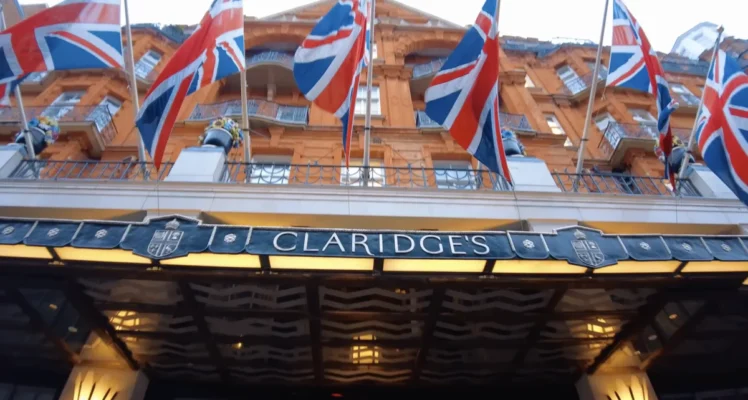
Claridge’s London Hotel Review 2026: The £4,000 Truth Revealed
After a three-night stay costing over £4,000 at London's legendary Claridge's, the fundamental question remains: [...]
Jan
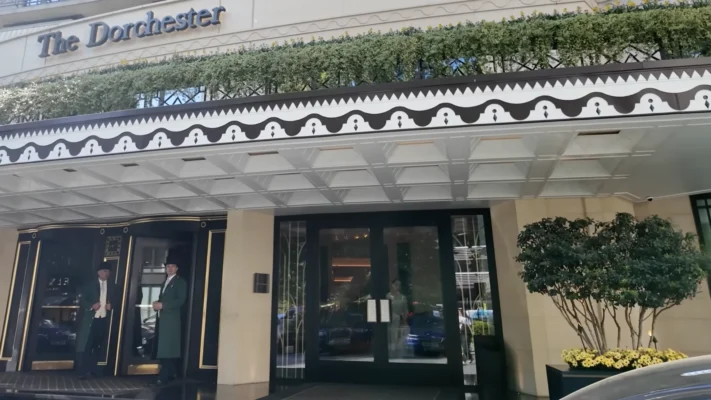
The Dorchester London: Fresh Renovations & Timeless Controversy
The Dorchester Hotel in London is an iconic luxury landmark situated in the heart of [...]
Jan
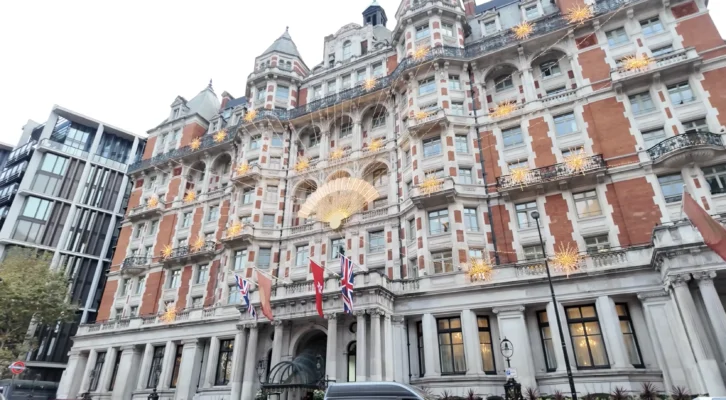
Mandarin Oriental Hyde Park: The Complete Truth After My Stay
What does a 5-star legend truly deliver? My firsthand account separates the timeless luxury from [...]
Jan
