



Tuscan Food And Local Products:
Authentic Food, Wine & Olive Oil

Discover Authentic Tuscan Food and Wine from the Heart of Italy

Experience the essence of authentic Tuscany food, where rolling hills and sun-drenched vineyards yield world-renowned Tuscany culinary products. This is the home of robust Chianti, golden olive oil, and succulent Florentine steak—a Tuscany traditional food heritage crafted over centuries.

Our commitment to quality is protected by stringent DOP and IGP certifications. These designations guarantee that every authentic Tuscany product you enjoy is produced according to time-honored methods, preserving the true taste of this legendary region.

Explore Traditional Tuscany Culinary Heritage

Find authentic wines, cheeses, oils, and more

About Tuscany

Discover Tuscany Geography and Culinary Region: Where Landscape Shapes Extraordinary Food Heritage

The Region

Tuscany’s geography in central Italy features diverse landscapes from coastal plains to rolling hills and Apennine mountains. This varied terrain creates the foundation for the renowned Tuscany culinary region, where each zone contributes unique flavors to the rich Tuscany food heritage that has evolved over centuries.

Traditional Tuscany cuisine celebrates simplicity and quality, focusing on exceptional Tuscany agricultural products. From world-famous wines and olive oils to artisanal cheeses and meats, the region’s culinary reputation stems from its commitment to authentic flavors and time-honored preparation methods that define Italian culinary excellence.

The intimate connection between Tuscany’s territory and its food products ensures that every bite tells a story of the land. DOP IGP Tuscany certifications protect this relationship, guaranteeing that traditional production methods and geographic authenticity are preserved for generations of food enthusiasts to experience and enjoy.

Geography & Climate

Coastal Maremma

The coastal Maremma features Mediterranean climate with fertile plains ideal for olive groves and vineyards. This zone produces robust wines, artisanal cheeses, and seafood specialties, while its pastures support the famous Cinta Senese pork and wild boar charcuterie traditions.

Hills of Chianti

The iconic Chianti hills enjoy perfect sun exposure and well-drained soils for premium Sangiovese grapes and olive cultivation. This heartland produces world-renowned Chianti Classico wines, extra virgin olive oil, and supports vineyards and orchards that define Tuscan agricultural excellence.

Apennine Mountains

The Apennine Mountains offer cooler climates and forested terrain perfect for chestnuts, mushrooms, and truffles. This zone specializes in aged pecorino cheeses, cured meats, and foraging traditions that utilize wild herbs, berries, and game from the mountainous landscape.

Tuscany Provinces

Explore What Tuscany is Known For Food Across Its Ten Unique Provinces

Florence

Birthplace of bistecca alla fiorentina and renowned for Chianti Rufina wines, artisan bread without salt, and premium olive oils from the surrounding hillside estates and traditional trattorias.

Siena

Famous for panforte, ricciarelli almonds cookies, Cinta Senese pork products, and Brunello di Montalcino wines from the historic vineyards surrounding medieval hill towns.

Pisa

Known for San Miniato truffles, cecina chickpea flatbread, and fertile plains producing vegetables, grains, and olive oils along the Arno river valley.

Lucca

Celebrated for extra virgin olive oil DOP, farro soup, buccellato sweet bread, and vineyards producing Colline Lucchesi wines from the fertile plains.

Arezzo

Renowned for Chianina beef, prized olive oils, and saffron production in the Valdichiana valley, along with traditional tortelli pasta filled with herbs and cheese.

Grosseto

The Maremma region famous for wild boar salami, pecorino cheese, Morellino di Scansano wine, and coastal areas producing seafood and aquaculture specialties.

Livorno

Coastal province known for cacciucco fish stew, seafood traditions, and production of olive oils and wines from the Bolgheri and Castagneto Carducci areas.

Massa-Carrara

Famous for lardo di Colonnata cured fat, testaroli pasta, and mountain products including chestnuts, mushrooms, and cured meats from the Apuan Alps.

Pistoia

Known for chestnut cultivation, castagnaccio chestnut cake, olive oils from the hills, and traditional pork products from local breed farming.

Prato

Renowned for cantucci almond biscuits, mortadella di Prato spiced salami, and traditional pasta dishes featuring local vegetables and herbs from the surrounding plains.

Culinary Heritage & Tradition

Historical Background

Tuscany’s culinary traditions date back to Etruscan times with simple peasant cooking focused on beans, grains, and olive oil. Roman influence introduced vineyard cultivation and advanced agricultural techniques that established the foundation for Tuscany’s wine and olive oil production that continues today.

During the Medieval and Renaissance periods, Tuscany’s city-states developed distinct culinary identities. Florence’s aristocratic tables featured elaborate meats, while Siena’s spice trade influenced panforte and other sweets. The “cucina povera” philosophy emerged, transforming humble ingredients into iconic dishes like ribollita and pappa al pomodoro.

Modern Tuscany preserves its food heritage through family recipes passed through generations and protected designations that maintain traditional methods. The region’s culinary identity remains deeply connected to its history while evolving to meet contemporary tastes and sustainable practices.

tuscany history
tuscan agricolture

Agricultural Excellence

Tuscany’s primary agricultural activities center on vineyards producing world-class Sangiovese wines, olive groves yielding premium oils, and farms cultivating grains, vegetables, and legumes. The region’s diverse microclimates support everything from coastal seafood to mountain cheeses and forest products.

The protected designation system ensures Tuscany’s iconic products maintain their geographic authenticity and traditional production methods. DOP and IGP certifications protect everything from Chianti Classico wine to Tuscan extra virgin olive oil, while PAT recognition preserves traditional food products and preparation techniques.

Quality and sustainability practices include organic farming, biodiversity preservation, and traditional animal breeds like Cinta Senese pigs. These methods not only produce exceptional flavors but also protect Tuscany’s landscape and culinary heritage for future generations to enjoy.

Protected Designations of Origin

Understanding DOP, IGP and PAT Certifications That Protect Tuscany Food Heritage

DOP

Denominazione di Origine Protetta

Protected Designation of Origin ensures products are produced, processed and prepared in specific geographical areas using recognized techniques. Examples include Pecorino Toscano DOP cheese and Chianti Classico DOP wine, where all production stages occur in designated zones.

IGP

Indicazione Geografica Protetta

Protected Geographical Indication links products to regions where at least one production stage occurs. Tuscan extra virgin olive oil IGP and Cinta Senese IGP pork must follow specific production rules while maintaining connection to their geographic origin and traditional methods.

PAT

Prodotto Agroalimentare Tradizionale

Traditional Agricultural Food Product recognizes foods produced using traditional methods for at least 25 years. This includes items like lardo di Colonnata and castagnaccio chestnut cake, preserving Tuscany’s culinary heritage without requiring specific geographic boundaries.

Signature Ingredients

Essential Components That Define Traditional Tuscany Cuisine and Flavors

Tuscan Olive Oil

The cornerstone of Tuscan cuisine, this peppery, green-fruited oil enhances everything from bruschetta to soups. Protected by IGP designation, it’s used raw to preserve its complex flavors and health benefits in traditional dishes.

Cinta Senese Pork

This heritage pig breed produces exceptionally flavorful meat for salami, prosciutto, and finocchiona. IGP-protected, the free-range animals contribute to sustainable farming and premium charcuterie prized throughout Italy.

Pecorino Cheese

DOP-protected sheep’s milk cheese ranging from fresh and mild to aged and sharp. Essential in pasta dishes, on cheese boards, or with honey and pears, representing Tuscany’s pastoral traditions.

Cannellini Beans

The creamy white beans fundamental to ribollita and fagioli all’uccelletto. Soaked and slow-cooked with sage and garlic, they provide protein and comfort in Tuscan peasant cuisine traditions.

Cured Meats & Salumi

Discover authentic Tuscan cured meats and salumi, from Finocchiona IGP to Prosciutto Toscano DOP

Tuscan cured meats and salumi represent centuries of artisanal tradition, where simple ingredients transform into complex flavors through time-honored curing methods. The region’s diverse geography from coastal Maremma to mountainous Garfagnana produces unique charcuterie specialties, each protected by DOP, IGP, and PAT certifications. From the famous Lardo di Colonnata aged in marble basins to rustic blood sausages of the north, Tuscan salumi showcases the region’s culinary heritage and commitment to quality that makes it essential to exploring authentic Tuscan cured meats.

Prosciutto Toscano

Prosciutto Toscano

Certification: DOP | Origin: Throughout Tuscany (production zone includes all provinces)

Prosciutto Toscano DOP is a dry-cured ham aged for a minimum of 10-12 months, distinguished by its aromatic herb crust featuring pepper, garlic, and rosemary in the curing process. This creates a savory, less sweet profile than other Italian hams. The entire production process occurs within Tuscany’s specific microclimate, following strict DOP regulations that ensure consistent quality and authentic flavor development through traditional air-drying methods.

Versatile in Tuscan cuisine, this ham enhances pasta dishes, meat preparations, and street food. Its balanced savory flavor with herbal notes pairs wonderfully with unsalted Tuscan bread, fresh melon, or ripe figs. Featured at various Sagra del Prosciutto festivals, it represents the pinnacle of Tuscan curing traditions, best enjoyed with Chianti Classico, Vernaccia di San Gimignano, or Morellino di Scansano wines.

Seasonality: Available year-round; traditionally slaughtered and cured during winter months for optimal aging conditions.

Finocchiona

Certification: IGP | Origin: Central Tuscany (Florence, Siena, Arezzo, Pisa, Pistoia, Prato provinces)

Finocchiona IGP is a soft salami characterized by its distinctive wild fennel seed flavor, available in both coarse and fine grind textures. Aged for a minimum of 15 days for fresh versions or several months for aged varieties, this salami uses premium pork seasoned with fennel, pepper, and garlic. The IGP protection ensures authentic production methods within central Tuscany’s designated areas, preserving its unique aromatic profile and traditional texture.

Essential in Tuscan antipasto, Finocchiona stars in pasta dishes, street food, and bread preparations. Its sweet fennel notes balance savory pork flavors, creating a versatile salami featured at food festivals throughout Tuscany. Traditionally paired with unsalted Tuscan bread and pecorino cheese, it complements Chianti, Rosso di Montalcino, or Morellino di Scansano wines perfectly.

Seasonality: Year-round availability; traditionally produced during autumn and winter months for optimal curing.

Finocchiona
Lardo Di colonnata

Lardo di Colonnata

Certification: IGP | Origin: Colonnata, Carrara (Massa-Carrara province)

Lardo di Colonnata IGP is a unique cured pork fatback aged for minimum 6 months in traditional Carrara marble basins called “conche.” The pork fat is layered with sea salt, black pepper, rosemary, garlic, and aromatic spices, allowing the marble’s natural porosity to create perfect curing conditions. This process yields a creamy, silky texture with complex herbal and mineral notes that melt delicately on the palate.

Celebrated at the August Sagra del Lardo di Colonnata, this delicacy elevates simple bruschetta, pasta dishes, and street food. Its subtle saltiness and herbal aroma pair exquisitely with toasted bread, chestnut honey, or tigelle flatbreads. The cultural significance of this marble-aged fat makes it a culinary treasure, best accompanied by Vermentino, white wines, or sparkling varieties.

Seasonality: Production occurs year-round with curing traditionally beginning in autumn for optimal conditions in Colonnata’s natural environment.

Rigatino

Certification: PAT | Origin: Throughout Tuscany, especially Florence and Siena areas

Rigatino PAT is Tuscan pancetta made from pork belly, cured with salt, pepper, and traditional spices. Distinguished by its striped appearance and specific seasoning blend, this cured meat differs from other pancetta varieties through its unique flavor profile and preparation methods. The PAT recognition ensures preservation of traditional techniques that have been passed down through generations of Tuscan artisans.

Fundamental to Tuscan cooking, Rigatino flavors classic dishes like ribollita and pappa al pomodoro, while also enhancing soups, stews, and vegetable preparations. Its savory, slightly spicy character adds depth to legumes and pasta dishes. This versatile ingredient represents everyday Tuscan cuisine, pairing beautifully with Chianti or Rosso di Montepulciano wines.

Seasonality: Available year-round; traditionally prepared during winter months for optimal curing conditions.

Rigatino toscano
Buristo toscano

Buristo

Certification: PAT | Origin: Garfagnana and Lucca province, northern Tuscany

Buristo PAT is a traditional blood sausage from northern Tuscany’s Garfagnana region, made with pig’s head meat, fresh blood, spices, pine nuts, and raisins. This unique sausage is boiled and typically served hot, representing the rustic “cucina povera” tradition of utilizing every part of the animal. The PAT designation protects this historic preparation method specific to Lucca province.

Typically enjoyed during winter Carnival celebrations and traditional festivals, Buristo features in meat dishes and street food. Its rich, complex flavor with sweet notes from raisins and pine nuts pairs wonderfully with polenta or boiled potatoes. This seasonal specialty embodies Tuscan winter traditions, complemented by robust red wines like Chianti Riserva.

Seasonality: Winter availability, traditionally made during the pig slaughter season from November through February.

Biroldo

Certification: PAT | Origin: Garfagnana (Lucca province)

Biroldo PAT is a distinctive blood sausage from Garfagnana, made with pig’s head meat, blood, spices, and wild fennel. Darker and spicier than Buristo, this sausage showcases the mountain cuisine of northern Tuscany with its bold flavors and traditional preparation methods. The PAT recognition ensures the preservation of this unique Garfagnana specialty and its authentic recipe.

Served during traditional pig slaughter festivals from November to February, Biroldo stars in meat dishes and street food offerings. Its robust, spicy character with fennel undertones pairs excellently with polenta or bean preparations. This winter specialty represents mountain Tuscan traditions, best enjoyed with Chianti or other robust red wines.

Seasonality: Winter seasonal product, traditionally produced during cold months from November through February.

Biroldo toscano
Mondiola toscana

Mondiola

Certification: PAT | Origin: Garfagnana (Lucca province)

Mondiola PAT is a finely ground pork shoulder salami from Garfagnana, seasoned with local wine and traditional spices, then smoked over aromatic chestnut wood. This smoking process imparts a distinctive flavor that sets it apart from other Tuscan salami varieties. The PAT designation protects this specific preparation method unique to the Garfagnana territory.

Enjoyed as street food or in meat dishes, Mondiola’s smoky, wine-infused flavor profile makes it versatile for various preparations. Traditionally served with Tuscan bread and pecorino cheese, this salami pairs beautifully with Chianti or Montecarlo DOC wines, representing the smoked charcuterie traditions of northern Tuscany.

Seasonality: Available year-round; traditionally produced during winter months for optimal smoking and curing.

Sbriciolona

Certification: PAT | Origin: Throughout Tuscany, especially Siena and Arezzo provinces

Sbriciolona PAT is a crumbly, spreadable salami made from fatty pork parts, heavily spiced to create its distinctive flavor and texture. The name “Sbriciolona” meaning “crumbly” perfectly describes its characteristic consistency that makes it ideal for spreading. This PAT recognition ensures the traditional recipe and preparation methods are preserved across Tuscany.

Primarily used in bread preparations and street food, Sbriciolona’s spreadable texture makes it perfect for crostini and bruschetta. Its heavily spiced profile pairs wonderfully with unsalted Tuscan bread, creating a popular snack throughout the region. Best enjoyed with young Chianti or Rosato wines, it represents Tuscan casual eating traditions.

Seasonality: Available year-round with consistent quality throughout all seasons.

Sbriciolona Toscana
Capocollo Toscano

Capocollo Toscano

Certification: PAT | Origin: Throughout Tuscany

Capocollo Toscano PAT is a cured pork neck and shoulder product, seasoned with salt, pepper, and aromatic herbs, then aged for several months to develop its complex flavor profile. This traditional cured meat showcases the art of whole-muscle curing that has been perfected across Tuscany’s various provinces. The PAT designation protects the authentic preparation methods.

Featured in meat dishes and street food, Capocollo Toscano offers a delicate balance of savory pork and herbal notes. Traditionally served with pecorino cheese and olives, this versatile cured meat pairs excellently with Chianti Classico or Brunello di Montalcino wines, representing the refined side of Tuscan charcuterie.

Seasonality: Available year-round with consistent production throughout Tuscany.

Salsiccia Fresca Toscana

Certification: PAT | Origin: Throughout Tuscany

Salsiccia Fresca Toscana PAT is a fresh pork sausage seasoned with salt, pepper, and sometimes fennel seeds or garlic, requiring cooking before consumption. This versatile sausage represents the everyday cooking traditions found throughout Tuscany’s households and trattorias. The PAT recognition ensures the preservation of traditional seasoning blends and preparation methods.

Fundamental to Tuscan cuisine, this fresh sausage enhances pasta dishes, meat preparations, vegetable recipes, and soups. Its savory flavor with optional fennel or garlic notes pairs wonderfully with beans, grilled vegetables, or polenta. Featured at various sagre throughout the year, it complements Chianti or Morellino di Scansano wines perfectly.

Seasonality: Available year-round; traditionally made in larger quantities during winter months.

Salsiccia Toscana
Sopressata toscana

Soppressata Toscana

Certification: PAT | Origin: Pistoia, Florence, and surrounding areas

Soppressata Toscana PAT is a pressed salami made from select pork cuts, coarsely ground with visible fat pieces, and seasoned with pepper and garlic. The pressing process gives it its characteristic flattened shape and dense texture. This PAT designation protects the traditional production methods specific to the Pistoia and Florence areas.

Popular as street food and in meat dishes, Soppressata’s coarse texture and robust garlic flavor make it distinctive. Traditionally served with Tuscan bread and pickled vegetables, this salami pairs excellently with Chianti or Carmignano DOCG wines, representing the hearty charcuterie traditions of central Tuscany.

Seasonality: Available year-round with consistent production in its designated areas.

Mallegato

Certification: PAT | Origin: Maremma (Grosseto province)

Mallegato PAT is a blood sausage specific to coastal Maremma, made with pork meat, blood, pine nuts, raisins, and traditional spices. Similar to Buristo but with distinct Maremma characteristics, this sausage represents the coastal region’s culinary traditions. The PAT recognition ensures the preservation of this unique Maremma specialty.

Enjoyed during traditional winter festivals, Mallegato features in meat dishes and street food offerings from the Grosseto province. Its rich flavor with sweet elements from raisins and pine nuts pairs wonderfully with polenta or roasted vegetables. This winter specialty is best complemented by Morellino di Scansano wines.

Seasonality: Winter availability, traditionally produced during the colder months in Maremma.

mallegato toscano

Cheeses & Dairy

Discover authentic Tuscan cheeses and dairy products, from Pecorino Toscano DOP to traditional ricotta

Tuscan cheeses and dairy products represent centuries of pastoral traditions, where sheep, goat, and cow milks transform into extraordinary flavors through artisanal methods. From the famous Pecorino Toscano DOP to delicate fresh cheeses like Raviggiolo, Tuscany’s diverse territories produce unique dairy specialties protected by DOP and PAT certifications. Each cheese tells a story of its origin, whether aged in mountain caves, underground pits, or fresh from spring milking, showcasing the region’s commitment to preserving traditional Tuscan dairy craftsmanship.

Pecorino toscano

Pecorino Toscano

Certification: DOP | Origin: Throughout Tuscany and some areas of Lazio and Umbria

Pecorino Toscano DOP is a versatile sheep’s milk cheese available in two distinct types: fresco (fresh, aged 20+ days) with a soft, sweet profile, and stagionato (aged 4+ months) developing a harder texture and sharper flavor. This DOP protection ensures traditional production methods across Tuscany and designated neighboring regions, maintaining the cheese’s characteristic mild yet tangy sheep milk flavor that defines authentic Tuscan pecorino.

Fundamental to Tuscan cuisine, Pecorino Toscano enhances pasta dishes, vegetable preparations, soups, and bread-based recipes. Its versatility makes it essential from simple antipasto to complex main courses. Celebrated at Sagra del Pecorino festivals, particularly in Pienza, this cheese pairs exquisitely with fava beans, pears, honey, and walnuts, complemented by Chianti, Brunello di Montalcino, or Vin Santo wines.

Seasonality: Available year-round; fresh version reaches peak quality during spring milking season.

Pecorino delle Balze Volterrane

Certification: PAT | Origin: Volterra area (Pisa province)

Pecorino delle Balze Volterrane PAT is a traditional sheep’s milk cheese from the distinctive hills surrounding Volterra, aged in natural caves that provide ideal humidity and temperature conditions. This aging process develops its unique flavor profile influenced by local pastures and terroir. The PAT recognition protects the specific production methods that have been passed down through generations of cheesemakers in this historic Etruscan territory.

Used extensively in pasta and vegetable dishes from the Pisa province, this cheese showcases the volcanic soil characteristics of the Balze area. Its complex, earthy flavor with subtle herbal notes makes it distinctive among Tuscan sheep cheeses. Traditionally enjoyed with local honey and fresh bread, it pairs beautifully with Vernaccia di San Gimignano or Chianti wines, representing Volterra’s culinary heritage.

Seasonality: Available throughout the year with optimal quality from spring milk when pastures are richest.

Pecorino delle balze di volterrane
raviggiolo toscana

Raviggiolo

Certification: PAT | Origin: Mugello and Casentino (Florence and Arezzo provinces)

Raviggiolo PAT is an extremely fresh, soft cheese made from sheep or cow’s milk, traditionally wrapped in fern or chestnut leaves that impart subtle botanical notes. This delicate cheese has a very short shelf life of just a few days, requiring immediate consumption after production. The PAT designation ensures preservation of this ancient preparation method specific to the Mugello and Casentino valleys of northern Tuscany.

Primarily featured in bread preparations, desserts, and seasonal festival foods, Raviggiolo’s creamy texture and mild flavor make it versatile for both sweet and savory applications. Celebrated at autumn Sagra del Raviggiolo festivals, this cheese pairs wonderfully with chestnut honey, nuts, and fresh bread. Its delicate nature is best complemented by Vin Santo or light white wines that don’t overpower its subtle flavors.

Seasonality: Traditional production occurs during autumn and winter months when milk quality is optimal.

Marzolino

Certification: PAT | Origin: Chianti region (Florence and Siena provinces)

Marzolino PAT is a small sheep’s milk cheese traditionally made in March (giving it the name “Marzolino”), aged for 15-60 days to develop its characteristic cylindrical shape and delicate flavor profile. This spring cheese captures the essence of Chianti’s fresh pastures in its mild, slightly tangy taste. The PAT protection ensures the continuation of this seasonal cheesemaking tradition that marks the beginning of the milking season in central Tuscany.

Essential to spring cuisine in the Chianti region, Marzolino enhances pasta dishes and vegetable preparations, particularly with fresh fava beans and artichokes. Its gentle flavor makes it perfect for highlighting spring vegetables without overwhelming them. Featured at various spring festivals, this cheese pairs excellently with Chianti Classico or crisp white wines that complement its seasonal freshness.

Seasonality: Strictly seasonal, available from March through May, with peak quality in early spring.

Marzolino Toscano
caprino della garfagnana

Caprino della Garfagnana

Certification: PAT | Origin: Garfagnana (Lucca province)

Caprino della Garfagnana PAT is a traditional goat’s milk cheese from the mountainous Garfagnana region, available in both fresh (soft and creamy) and aged (firmer with stronger flavor) versions. This cheese reflects the rugged terrain of northern Tuscany through its distinctive tangy notes and varying textures. The PAT recognition protects the specific production methods unique to the Garfagnana territory and its alpine influences.

Versatile in Tuscan mountain cuisine, Caprino enhances pasta dishes, vegetable recipes, and bread preparations from the Lucca province. Its fresh version offers creamy mildness while aged varieties provide robust flavor for grating or table use. This artisanal cheese pairs beautifully with honey, fresh herbs, and quality olive oil, complemented by local white wines or Vermentino that highlight its goat milk characteristics.

Seasonality: Available year-round with optimal quality during spring and summer when goats feed on fresh mountain pastures.

Ricotta Toscana

Certification: PAT | Origin: Throughout Tuscany

Ricotta Toscana PAT is a fresh whey cheese made from sheep or cow’s milk, characterized by its soft, creamy texture and mild, slightly sweet flavor. This traditional byproduct of cheese production utilizes whey left from pecorino making, cooked a second time (“ricotta” meaning re-cooked). The PAT designation ensures the preservation of this fundamental Tuscan dairy product and its traditional production methods across the region.

Incredibly versatile in Tuscan cuisine, Ricotta Toscana stars in pasta fillings, desserts, bread preparations, and vegetable dishes. Its mild creaminess makes it perfect for both savory applications like ravioli stuffing and sweet preparations with honey or jam. When used in desserts, it pairs wonderfully with Vin Santo, while savory versions complement various Tuscan wines depending on the dish preparation.

Seasonality: Available throughout the year with peak quality during spring when milk is richest.

Ricotta di percora Toscana
Ricotta salata toscana

Ricotta Salata

Certification: PAT | Origin: Throughout Tuscany, especially southern areas

Ricotta Salata PAT is a salted and aged version of fresh ricotta, undergoing pressing and drying to create a firm texture suitable for grating. This transformation process develops a salty, tangy flavor profile distinct from its fresh counterpart. The PAT recognition ensures traditional production methods are maintained, particularly in southern Tuscany where this cheese has deep roots in local cuisine.

Primarily used as a grating cheese for pasta dishes, vegetable preparations, and soups, Ricotta Salata adds salty complexity to recipes. Its firm texture allows for shaving or grating over dishes where a salty accent is desired. This versatile cheese pairs excellently with tomato-based dishes, eggplant, and pasta, complemented by white wines or Rosato that balance its saltiness.

Seasonality: Available year-round with consistent quality throughout all seasons.

Formaggio di Fossa di Sogliano

Certification: DOP (production zone includes parts of Tuscany) | Origin: Border areas of Tuscany with Emilia-Romagna and Marche

Formaggio di Fossa di Sogliano DOP is a unique sheep or mixed milk cheese aged for 80+ days in underground pits (fosse), developing distinctive aromatic and slightly spicy flavors. The pit aging process in natural tuff caves creates its characteristic straw-yellow color and complex aroma. While the DOP zone extends beyond Tuscany, traditional production in border areas incorporates this cheese into Tuscan culinary traditions.

Featured in pasta dishes and seasonal festival foods, this cheese is traditionally extracted from pits during the Festa di Santa Caterina in November. Its intense, aromatic flavor with spicy notes pairs wonderfully with honey, mostarda, and walnuts. This special occasion cheese complements robust red wines or Sangiovese that can stand up to its bold character.

Seasonality: Seasonal availability with pit extraction in late November, available through winter months.

formaggio di fossa di sogliano
Caciotta toscana

Caciotta Toscana

Certification: PAT | Origin: Throughout Tuscany

Caciotta Toscana PAT is a semi-soft cheese made from sheep, cow, or mixed milk, aged for 15-30 days to develop its mild, slightly acidic flavor profile. This versatile cheese represents everyday Tuscan dairy traditions found in households across the region. The PAT designation ensures the preservation of traditional production methods that create its characteristic supple texture and balanced flavor.

Commonly used in bread preparations, pasta dishes, and street food, Caciotta’s mild flavor makes it adaptable to various culinary applications. Its semi-soft texture works well for melting in sandwiches or serving as a table cheese. This everyday cheese pairs nicely with fresh vegetables and bread, complemented by white wines or light reds that don’t overwhelm its delicate character.

Seasonality: Available year-round with consistent production throughout Tuscany.

Pecorino a Latte Crudo

Certification: PAT (various local designations) | Origin: Various areas of Tuscany

Pecorino a Latte Crudo PAT encompasses various raw milk sheep’s cheeses from different Tuscan territories, featuring more complex flavor profiles than pasteurized versions due to indigenous microflora. This artisanal approach preserves traditional cheesemaking methods that highlight territorial characteristics. The PAT recognition protects these raw milk productions that represent the pinnacle of Tuscan sheep cheese craftsmanship.

Featured in pasta dishes, vegetable preparations, and seasonal festival foods, raw milk pecorino offers deeper, more nuanced flavors than conventional versions. Its complexity makes it ideal for cheese boards and special occasions. Traditionally paired with aged balsamic, honey, or fresh figs, this artisanal cheese complements premium Tuscan wines like Brunello or Nobile di Montepulciano.

Seasonality: Available year-round with optimal quality during spring when raw milk exhibits richest flavors.

Pecorino latte crudo toscano
Formaggio del pastore toscano

Formaggio del Pastore

Certification: PAT | Origin: Maremma and southern Tuscany

Formaggio del Pastore PAT is a traditional shepherd’s cheese from sheep’s milk, aged on wooden boards that impart subtle woody notes to its rustic, strong flavor profile. This cheese embodies the pastoral traditions of southern Tuscany’s Maremma region, where shepherds have produced it for generations. The PAT designation ensures the preservation of these specific aging methods and traditional recipes.

Used in pasta dishes and vegetable preparations from the Maremma, Formaggio del Pastore’s robust character stands up well to hearty recipes. Its strong, distinctive flavor reflects the wild herbs of southern Tuscan pastures. Traditionally enjoyed with honey or preserved fruits, this rustic cheese pairs excellently with Morellino di Scansano or other robust red wines from the Grosseto province.

Seasonality: Available year-round with consistent production in southern Tuscany.

Burrata di Bufala Toscana

Certification: PAT (recent recognition) | Origin: Maremma (Grosseto province)

Burrata di Bufala Toscana PAT is a fresh buffalo milk cheese with a unique structure: an outer shell of mozzarella containing a creamy stracciatella and cream center. This recent PAT recognition establishes Tuscan production standards for this increasingly popular cheese, particularly in the Maremma region where buffalo farming has grown. The delicate production process requires expert craftsmanship to achieve the perfect creamy texture.

Primarily featured in vegetable dishes, bread preparations, and seasonal foods, Burrata’s luxurious creamy center makes it perfect for summer dishes. Its rich, buttery flavor pairs exquisitely with tomatoes, fresh basil, and quality olive oil. Best enjoyed fresh, this cheese complements white wines or Rosato that refresh the palate between creamy bites, representing Maremma’s evolving dairy traditions.

Seasonality: Available year-round with peak quality during summer when served fresh and chilled.

burrata toscana

Oils, Vinegar & Condiments

Discover authentic Tuscan olive oils, vinegars, and traditional condiments from IGP and DOP protected regions

Tuscan oils, vinegars, and condiments form the foundation of the region’s culinary identity, where quality ingredients transform simple dishes into extraordinary experiences. From the famous IGP Tuscan extra virgin olive oil to DOP protected regional oils and traditional preserved foods, these essential products showcase Tuscany’s rich agricultural heritage. Each oil and condiment tells a story of its territory, whether from the hills of Chianti Classico, the plains of Lucca, or the ancient salt mines of Volterra, representing centuries of artisanal production methods preserved through strict quality certifications.

olio extra vergine di oliva toscano

Olio Extra Vergine di Oliva Toscano

Certification: IGP | Origin: Throughout Tuscany (entire regional production zone)

Olio Extra Vergine di Oliva Toscano IGP is the flagship Tuscan olive oil, produced from traditional varieties including Frantoio, Leccino, and Moraiolo across the entire regional territory. This IGP protection ensures strict quality standards from harvest to bottling, resulting in oils characterized by fruity, peppery notes with distinctive almond undertones. The color ranges from vibrant green to golden yellow, reflecting the olive varieties and harvest timing that define authentic Tuscan extra virgin olive oil.

Ubiquitous in Tuscan cuisine, this versatile oil enhances pasta dishes, soups, vegetable preparations, seafood, breads, and street food with its balanced flavor profile. Celebrated at Sagra dell’Olio Nuovo festivals during November and December, it represents the first pressing of the season. Perfect for drizzling over bread, beans, grilled meats, or bruschetta, this oil forms the essential foundation of Tuscan cooking traditions across all provinces.

Seasonality: Harvest occurs October-November with optimal quality within 18 months of production.

Olio Extra Vergine di Oliva Chianti Classico

Certification: DOP | Origin: Chianti Classico area (Florence and Siena provinces)

Olio Extra Vergine di Oliva Chianti Classico DOP is a premium olive oil from the prestigious Chianti Classico zone, predominantly using Frantoio and Moraiolo varieties grown in specific hillside territories. This DOP protection guarantees authentic production within designated municipalities, resulting in oils with intense fruity flavors balanced by characteristic bitter and spicy notes. The unique microclimate and soil composition of the Chianti Classico area impart distinctive terroir-driven characteristics to this exceptional oil.

Essential to Chianti cuisine, this robust oil elevates pasta dishes, traditional soups, vegetable recipes, meat preparations, and bread-based dishes with its complex flavor profile. Featured at local oil festivals throughout the Chianti region, it pairs perfectly with ribollita, pappa al pomodoro, grilled meats, and fettunta. The oil’s bold character stands up well to hearty Tuscan dishes while adding depth and complexity to simpler preparations.

Seasonality: Harvested October-November with peak flavor when consumed fresh within the first year.

olio chianti classico
olio extra vergine terre di siena

Olio Extra Vergine di Oliva Terre di Siena

Certification: DOP | Origin: Siena province and surroundings

Olio Extra Vergine di Oliva Terre di Siena DOP is a balanced extra virgin olive oil from the Siena territory, featuring a harmonious blend of local olive cultivars grown in the province’s diverse microclimates. This DOP designation ensures production within specific Siena areas, resulting in oils with consistent fruity flavors complemented by subtle herbaceous notes. The careful selection of olives and traditional pressing methods preserve the delicate aroma and flavor characteristics unique to the Siena terroir.

Fundamental to Sienese cuisine, this versatile oil enhances traditional pasta dishes like pici, various soups, vegetable preparations, and bread-based recipes throughout the province. Its balanced profile makes it suitable for both cooking and finishing dishes, allowing the natural flavors of ingredients to shine while adding its distinctive character. Perfect for drizzling over bread or enhancing simple vegetable dishes, it represents the culinary soul of the Siena territory.

Seasonality: Traditional harvest occurs October-November with careful timing to preserve optimal flavor characteristics.

Olio Extra Vergine di Oliva Lucca

Certification: DOP | Origin: Lucca province and surrounding hills

Olio Extra Vergine di Oliva Lucca DOP is a delicate, sweet extra virgin olive oil from the Lucca province, primarily using Leccino, Frantoio, and local olive varieties grown in the area’s gentle hills. This DOP protection ensures production within designated Lucca territories, resulting in oils with low acidity and distinctive almond and artichoke notes. The unique microclimate of the Lucca plain and surrounding hills creates ideal conditions for producing these exceptionally smooth and elegant oils.

Perfect for Lucca’s refined cuisine, this delicate oil complements seafood dishes, subtle vegetable preparations, light soups, and bread-based recipes without overpowering delicate flavors. Celebrated at Festa dell’Olio events in the Lucca area, it pairs beautifully with fish, white meats, and delicate soups where its subtle sweetness enhances rather than dominates. The oil’s gentle character makes it ideal for dressings and finishing dishes where flavor nuance is paramount.

Seasonality: Harvest period extends October-November with careful handling to preserve delicate flavor notes.

Olio extra vergine di oliva di lucca
olio extra vergine di oliva seggiano

Olio Extra Vergine di Oliva Seggiano

Certification: DOP | Origin: Mount Amiata area, particularly Seggiano (Grosseto province)

Olio Extra Vergine di Oliva Seggiano DOP is a distinctive olive oil from the Mount Amiata area, primarily made from the unique Olivastra Seggianese cultivar native to this specific territory. This DOP protection ensures authentic production in the Seggiano region, resulting in oils with intensely fruity flavors featuring characteristic artichoke and almond notes. The volcanic soil and particular microclimate of the Amiata slopes create optimal conditions for this rare olive variety to develop its unique flavor profile.

Essential to Grosseto province cuisine, this robust oil enhances pasta dishes, vegetable recipes, bread preparations, and traditional soups like acquacotta with its distinctive character. Celebrated at the December Festa dell’Olio di Seggiano, it pairs wonderfully with vegetable soups, bruschetta, and grilled meats where its intense flavor can stand up to hearty dishes. This oil represents the unique terroir of the Amiata region and its specialized olive cultivation traditions.

Seasonality: Extended harvest from October through December to achieve optimal olive maturity for this specific cultivar.

Sale di Volterra

Sale di Volterra

Certification: PAT | Origin: Volterra (Pisa province)

Sale di Volterra PAT is natural rock salt extracted from ancient mines near Volterra, continuing a tradition dating back to Etruscan times when the area was renowned for its salt production. This PAT recognition preserves the historical and cultural significance of salt extraction in the Volterra territory, where specific geological formations create unique mineral compositions. The salt’s natural extraction methods and minimal processing maintain its characteristic flavor and mineral content that has seasoned Tuscan cuisine for millennia.

As a universal seasoning in Tuscan cooking, Sale di Volterra enhances dishes across all culinary categories with its clean, balanced salinity and subtle mineral notes. This historical salt connects modern Tuscan cuisine with ancient Etruscan traditions, representing one of Italy’s oldest continuously produced food products. Its versatile application makes it essential from simple bread dipping to complex meat preparations, maintaining the fundamental seasoning foundation of Tuscan culinary arts.

Seasonality: Year-round availability from continuous mining operations in the Volterra area.

Conserva di Pomodoro

Certification: PAT | Origin: Throughout Tuscany, especially southern areas

Conserva di Pomodoro PAT is a traditional tomato preserve, typically prepared as passata or concentrate from summer tomatoes harvested at peak ripeness and bottled for year-round use. This PAT designation ensures preservation of traditional preparation methods where tomatoes are selected, cooked, and preserved following time-honored techniques passed through generations of Tuscan families. The careful processing captures the essence of summer tomatoes, providing the foundational flavor for many Tuscan sauces and dishes throughout the year.

Fundamental to Tuscan pantry staples, this tomato preserve forms the base for pasta sauces, meat preparations, soups, and vegetable dishes across all seasons. The summer tradition of preparing conserva involves family gatherings where tomatoes are processed in large quantities, representing an important cultural ritual in Tuscan household traditions. Perfect for creating rich pasta sauces, enhancing soups, or preparing meat dishes, it pairs beautifully with various red wines that complement tomato-based preparations.

Seasonality: Prepared during peak tomato season (July-August) for year-round consumption.

conserva pomodoro toscana
Pomodori Secchi Sott'Olio

Pomodori Secchi Sott’Olio

Certification: PAT | Origin: Southern Tuscany, Maremma

Pomodori Secchi Sott’Olio PAT are sun-dried tomatoes preserved in quality olive oil with traditional herbs including oregano, basil, and garlic, representing a classic preservation method from southern Tuscany and Maremma. This PAT recognition ensures traditional preparation techniques where tomatoes are naturally sun-dried to concentrate flavors before being preserved in oil with characteristic herb combinations. The slow drying process intensifies the tomato flavor while maintaining their nutritional qualities and creating a versatile preserved ingredient.

Popular in southern Tuscan cuisine, these oil-preserved tomatoes enhance pasta dishes, vegetable preparations, and bread-based recipes with their intense, concentrated flavor and herbal notes. The preservation method allows enjoyment of summer tomato character throughout the year, adding depth to winter dishes when fresh tomatoes are unavailable. Traditionally paired with bread, pasta, and cheese, these preserved tomatoes complement white wines or Rosato that refresh the palate between their rich, intense flavors.

Seasonality: Prepared during summer tomato harvest for year-round consumption.

Olive in Salamoia

Certification: PAT | Origin: Throughout Tuscany

Olive in Salamoia PAT encompasses various local olive cultivars preserved in traditional brine solutions, often enhanced with flavorings like wild fennel, orange peel, or aromatic herbs specific to different Tuscan territories. This PAT designation protects the diverse traditional methods of olive preservation found across Tuscany’s olive-growing regions, where each area maintains its characteristic recipes and flavor combinations. The brining process transforms bitter fresh olives into flavorful, preserved treats ready for various culinary applications.

Essential to Tuscan antipasto and snack traditions, these brined olives feature in street food, bread preparations, and vegetable dishes throughout the region. Their versatile flavor profile makes them perfect for simple snacking, enhancing bread-based dishes, or complementing vegetable preparations. Traditionally served with bread, cheese, and salumi, these olives pair wonderfully with white wines or aperitifs that cleanse the palate between their savory, briny flavors.

Seasonality: Prepared during autumn olive harvest for year-round consumption.

olive in salamoia toscano
pate olive nere toscane

Patè di Olive Nere

Certification: PAT (Traditional preparation) | Origin: Throughout Tuscany

Patè di Olive Nere PAT is a traditional black olive paste made from quality olives blended with olive oil, garlic, herbs, and sometimes additions like anchovies or capers for enhanced flavor complexity. This PAT recognition ensures preservation of traditional preparation methods where olives are pitted and finely processed to create a smooth, spreadable paste with concentrated olive flavor. The artisanal production maintains the characteristic taste and texture that has made this condiment a Tuscan staple for generations.

Versatile in Tuscan culinary applications, this olive paste enhances bread preparations, pasta dishes, and street food with its rich, savory flavor profile. Its spreadable consistency makes it perfect for crostini, bruschetta, or as a pasta sauce ingredient, adding depth and umami to simple dishes. Traditionally paired with bread, pasta, or as part of antipasto arrangements, this olive paste complements white wines or Vermentino that balance its rich, savory character.

Seasonality: Year-round availability from continuous production using preserved olives.

Wines & Spirits

Discover world-renowned Tuscan wines and spirits, from Chianti Classico DOCG to Brunello di Montalcino and Super Tuscans

Tuscan wines and spirits represent centuries of viticultural excellence, where the noble Sangiovese grape transforms into some of Italy’s most celebrated wines across diverse terroirs from Chianti’s hills to Montalcino’s slopes. From the iconic DOCG classified wines like Brunello and Vino Nobile to innovative Super Tuscans and traditional dessert wines, Tuscany’s winemaking heritage combines ancient traditions with modern innovation. Each wine tells a story of its specific territory, microclimate, and the passionate winemakers who have elevated Tuscan viticulture to global recognition, creating a diverse portfolio that satisfies every palate and occasion.
Chianti Classico

Certification: DOCG | Origin: Chianti Classico zone (Florence and Siena provinces between Florence and Siena)

Chianti Classico DOCG is the historic red wine from the heart of Tuscany, made primarily from Sangiovese grapes (minimum 80%) grown in the designated zone between Florence and Siena. This prestigious classification ranges from young, vibrant expressions to Riserva versions aged 24+ months, all distinguished by the iconic Gallo Nero (black rooster) symbol on the bottle. The wine’s characteristic structure, cherry notes, and food-friendly acidity reflect the unique terroir of the Chianti Classico hills, where specific production regulations ensure consistent quality and authentic expression of this legendary wine.

Essential to Tuscan dining, Chianti Classico complements meat dishes, pasta, soups, and street food with its balanced acidity and versatile character. Its flavor profile typically features red cherry, violet, and earthy notes with firm tannins that soften with aging. Celebrated at various wine festivals throughout Chianti towns, this wine pairs perfectly with bistecca alla fiorentina, wild boar dishes, aged cheeses, and ribollita, representing the soul of Tuscan winemaking traditions with each vintage release.

Seasonality: Available year-round with new vintages traditionally released in October following the harvest.

Brunello di Montalcino

Certification: DOCG | Origin: Montalcino (Siena province)

Brunello di Montalcino DOCG stands as one of Italy’s most prestigious red wines, crafted exclusively from 100% Sangiovese Grosso grapes in the Montalcino territory. This legendary wine undergoes mandatory aging for a minimum of 5 years, including at least 2 years in oak barrels, developing extraordinary power, complexity, and longevity. The unique microclimate and soil composition around Montalcino create ideal conditions for Sangiovese to achieve unparalleled concentration and aging potential, making Brunello one of the world’s most collectible and age-worthy wines.

Reserved for special occasions and fine dining, Brunello enhances meat dishes and seasonal festival foods with its profound depth and elegance. Its complex flavor profile evolves from dark fruit and spice in youth to leather, tobacco, and truffle notes with extended cellaring. Celebrated at the annual Benvenuto Brunello festival in February, this iconic wine pairs magnificently with red meats, game, aged pecorino, and truffle dishes, representing the pinnacle of Tuscan winemaking excellence.

Seasonality: Available year-round as an aged wine, with optimal drinking after significant bottle aging.

Upload Image...
Wine testing London

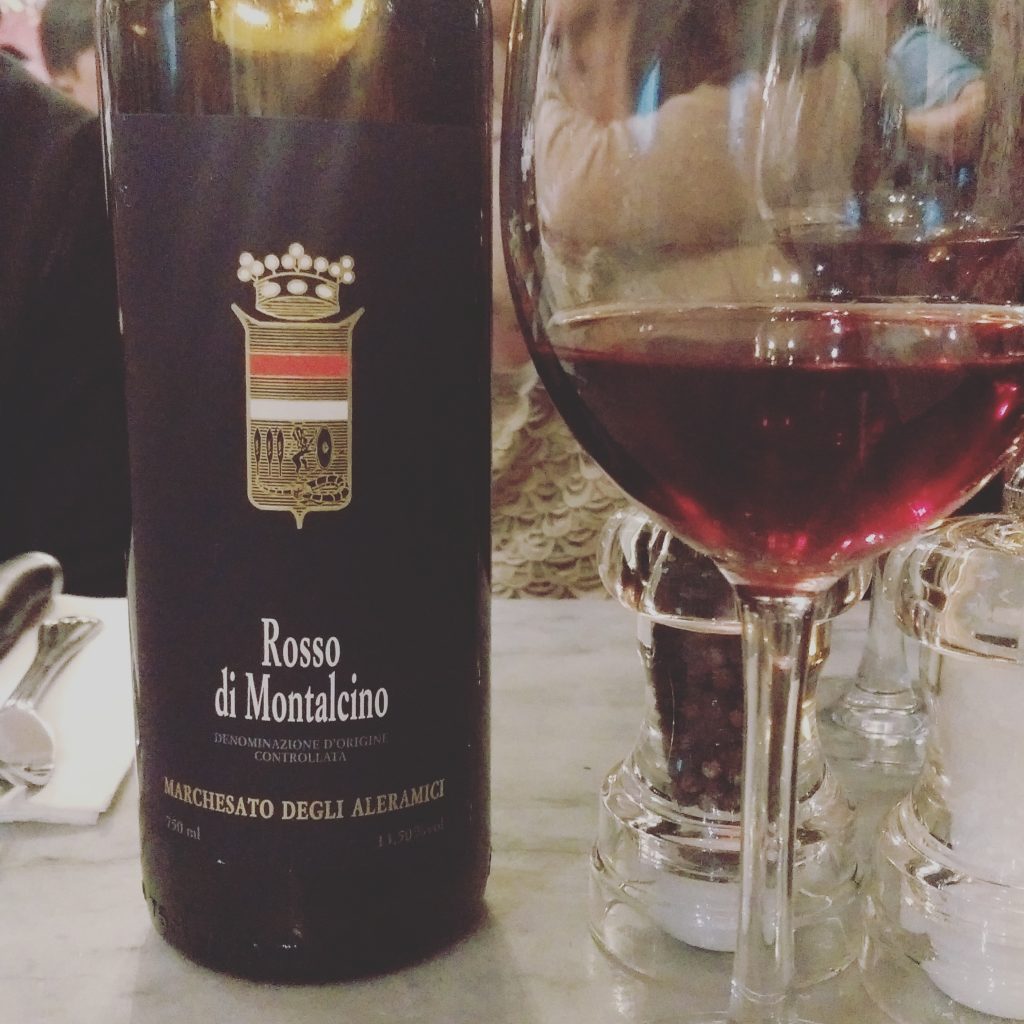
Rosso di Montalcino

Certification: DOC | Origin: Montalcino (Siena province)

Rosso di Montalcino DOC serves as the younger, more approachable counterpart to Brunello, produced from 100% Sangiovese Grosso grapes within the same prestigious Montalcino territory. This wine requires only one year of aging compared to Brunello’s five, resulting in a fresher, more immediately enjoyable expression of Montalcino’s Sangiovese. Often called “Brunello’s younger brother,” Rosso di Montalcino offers an accessible introduction to the Montalcino terroir while maintaining the quality standards of this renowned wine region.

Perfect for everyday Tuscan cuisine, Rosso di Montalcino complements meat dishes, pasta preparations, and soups with its vibrant fruit character and supple tannins. Its approachable flavor profile features bright cherry, plum, and herbal notes with softer structure than Brunello. This versatile wine pairs wonderfully with pici pasta, roasted meats, salumi, and pasta with meat sauce, providing an excellent representation of Montalcino’s winemaking at a more accessible price point and drinkability.

Seasonality: Available year-round with consistent quality across vintages.

Vino Nobile di Montepulciano

Certification: DOCG | Origin: Montepulciano (Siena province)

Vino Nobile di Montepulciano DOCG is an elegant, structured red wine from the historic town of Montepulciano, made primarily from Sangiovese (locally called Prugnolo Gentile, minimum 70%) blended with other authorized varieties. This noble wine undergoes mandatory aging for at least 2 years, developing the complexity and refinement that earned its “Nobile” designation centuries ago. The unique position of Montepulciano’s vineyards on clay and limestone soils creates ideal conditions for producing wines with both power and finesse.

Celebrated at the Bravìo delle Botti festival in August and Anteprima Vino Nobile in February, this wine enhances meat dishes and pasta preparations with its balanced structure and aromatic complexity. Its flavor profile typically includes dark cherry, violet, and spice notes with firm yet refined tannins. Vino Nobile pairs excellently with grilled meats, pici all’aglione, game dishes, and aged cheeses, representing Montepulciano’s centuries-old winemaking heritage in every glass.

Seasonality: Available year-round with consistent availability across vintages.

Rosso di Montepulciano

Certification: DOC | Origin: Montepulciano (Siena province)

Rosso di Montepulciano DOC is the younger, more accessible expression of Montepulciano’s winemaking, using the same grape varieties as Vino Nobile but with shorter aging requirements. This approachable red wine showcases the fresh, fruity characteristics of Sangiovese (Prugnolo Gentile) from the Montepulciano territory without extended wood aging. The shorter production timeline makes Rosso di Montepulciano an excellent introduction to the region’s wines while maintaining the quality standards expected from this historic appellation.

Ideal for everyday Tuscan meals, Rosso di Montepulciano complements meat dishes, pasta preparations, and soups with its fresh, vibrant character. Its fruit-forward profile features cherry and red berry notes with soft tannins and good acidity. This versatile wine pairs beautifully with pasta dishes, salumi, and everyday meat preparations, offering excellent value and drinkability while representing Montepulciano’s winemaking traditions in a more immediate style.

Seasonality: Available year-round with consistent production and availability.

Vernaccia di San Gimignano

Certification: DOCG (first Italian white wine to receive DOC in 1966, DOCG in 1993) | Origin: San Gimignano (Siena province)

Vernaccia di San Gimignano DOCG holds historic significance as Italy’s first white wine to achieve DOC status in 1966 and later DOCG in 1993, produced exclusively from Vernaccia grapes around the medieval town of San Gimignano. This distinctive white wine displays characteristic crisp acidity, almond notes, and mineral undertones that reflect the unique terroir of San Gimignano’s hills. The wine can be enjoyed young for its freshness or aged as Riserva to develop greater complexity and depth.

Celebrated at the Vernaccia Wine Festival in San Gimignano, this white wine complements seafood dishes, vegetable preparations, pasta, and street food with its refreshing character. Its flavor profile typically includes citrus, green apple, and distinctive almond finish with crisp acidity. Vernaccia di San Gimignano pairs beautifully with seafood, fried foods, white meats, and dishes featuring zafferano di San Gimignano, representing Tuscany’s most important white wine tradition.

Seasonality: Available year-round with both young and Riserva versions available.

Upload Image...
Upload Image...

Morellino di Scansano

Certification: DOCG | Origin: Maremma, area around Scansano (Grosseto province)

Morellino di Scansano DOCG is a robust red wine from the Maremma coast, made primarily from Sangiovese (locally called Morellino, minimum 85%) that benefits from the region’s warmer Mediterranean climate. This generous, full-bodied wine typically displays riper fruit characteristics than its northern Tuscan counterparts, with softer tannins and approachable structure. The maritime influence and warmer temperatures of the Scansano area create ideal conditions for producing rich, expressive wines that capture the wild character of the Maremma territory.

Featured at the Morellino Wine Festival in Scansano, this wine enhances meat dishes, seafood, and pasta preparations with its warm-climate personality. Its flavor profile often includes ripe cherry, plum, and spice notes with supple tannins and good concentration. Morellino di Scansano pairs wonderfully with wild boar, fish stews like cacciucco, grilled meats, and strong cheeses, representing the bold, sun-drenched wines of coastal Tuscany.

Seasonality: Available year-round with consistent production in the Maremma region.

Bolgheri Sassicaia

Certification: DOC (unique single-estate DOC) | Origin: Bolgheri, Tenuta San Guido (Livorno province)

Bolgheri Sassicaia DOC holds the unique distinction of being Italy’s first single-estate DOC, created specifically for this iconic “Super Tuscan” from Tenuta San Guido in Bolgheri. This legendary wine is crafted from Cabernet Sauvignon and Cabernet Franc, aged extensively in French oak barrels to develop extraordinary power, elegance, and complexity. Sassicaia’s revolutionary approach to winemaking in the 1960s challenged traditional regulations and ultimately led to the creation of the Bolgheri DOC, establishing a new paradigm for Italian wine excellence.

Reserved for special occasions and fine dining, Sassicaia complements meat dishes and seasonal festival foods with its world-class quality and aging potential. Its profound flavor profile features blackcurrant, cedar, tobacco, and spice notes with impeccable balance and endless complexity. This iconic wine pairs magnificently with red meats, game, truffle dishes, and aged cheeses, representing the pinnacle of Italian winemaking innovation and quality.

Seasonality: Available year-round as an aged wine, with optimal drinking after significant cellaring.

Carmignano

Certification: DOCG | Origin: Carmignano (Prato province)

Carmignano DOCG is a historic red wine from the Prato province, distinguished by its traditional inclusion of Cabernet Sauvignon (10-20%) alongside Sangiovese, predating the Super Tuscan movement by centuries. This elegant, structured wine benefits from the unique microclimate of the Carmignano hills, where specific production regulations ensure quality and typicity. The addition of Cabernet Sauvignon adds complexity, structure, and aging potential to the Sangiovese base, creating wines of remarkable finesse and longevity.

Celebrated at Carmignano wine festivals, this elegant wine enhances meat dishes and pasta preparations with its refined character and balanced structure. Its flavor profile typically includes red fruit, herbal notes, and spice with firm yet polished tannins. Carmignano pairs excellently with roasted meats, game dishes, and aged cheeses, representing a centuries-old winemaking tradition that successfully blends indigenous and international varieties long before the concept became fashionable.

Seasonality: Available year-round with both regular and Riserva versions available.

Vin Santo

Certification: Various DOC designations across Tuscany | Origin: Throughout Tuscany (multiple production zones)

Vin Santo encompasses the various traditional sweet wines produced across Tuscany’s different territories, all following the passito method of drying grapes before fermentation and extended aging in small wooden barrels. While production methods vary by zone, these dessert wines typically display amber to golden colors with complex aromas of dried fruits, nuts, and honey. The name “Vin Santo” (Holy Wine) reflects its historical association with religious ceremonies and special occasions throughout Tuscan history.

Integral to Tuscan holiday traditions, Vin Santo enhances sweets, desserts, and seasonal foods with its luxurious sweetness and aromatic complexity. Its flavor profile ranges from rich and unctuous to more delicate expressions depending on the production zone and grape varieties used. Traditionally paired with cantucci, biscotti, panforte, and various pastries, this sacred wine represents one of Tuscany’s most enduring and beloved winemaking traditions across all provinces.

Seasonality: Available year-round, with traditional consumption during Christmas and Easter celebrations.

vin santo toscano
motecucco sangiovese

Montecucco Sangiovese

Certification: DOCG (red); DOC (white and other) | Origin: Montecucco area, Mount Amiata (Grosseto province)

Montecucco Sangiovese DOCG is an elegant red wine from the Mount Amiata area in southern Tuscany, produced from a minimum of 90% Sangiovese grapes that benefit from the unique volcanic soils and altitude of this emerging wine region. As a neighbor to the prestigious Brunello di Montalcino territory, Montecucco shares similar growing conditions while developing its own distinctive expression of Sangiovese. The DOCG classification for the Sangiovese-based red wines recognizes the quality potential of this relatively new appellation that shows great promise.

Gaining recognition in Tuscan wine circles, Montecucco Sangiovese complements meat dishes and pasta preparations with its elegant structure and territorial character. Its flavor profile typically includes cherry, violet, and spice notes with refined tannins and good aging potential. This emerging wine pairs wonderfully with game, grilled meats, mushroom dishes, and truffle preparations, representing the exciting evolution of Tuscany’s wine landscape in the Montecucco territory.

Seasonality: Available year-round with growing availability as the appellation gains recognition.

Elba Aleatico

Certification: DOCG | Origin: Elba Island (Livorno province)

Elba Aleatico DOCG is a unique sweet red dessert wine from the picturesque Elba Island, crafted exclusively from Aleatico grapes using the traditional passito method where grapes are dried to concentrate sugars and flavors. This aromatic wine displays intense floral notes of rose and violet complemented by rich berry aromas that capture the essence of the Mediterranean island terroir. The DOCG designation recognizes the exceptional quality and typicity of this historic wine that has been produced on Elba for centuries, representing one of Italy’s few sweet red DOCG wines with distinctive island characteristics.

Exclusively dedicated to sweets and desserts, Elba Aleatico offers a luxurious conclusion to Tuscan meals with its intense aromatics and luscious sweetness. Its complex flavor profile features ripe red berries, rose petals, and subtle spice notes with balanced acidity that prevents cloying sweetness. This aromatic dessert wine pairs exquisitely with fruit-based desserts, chocolate creations, and traditional Tuscan pastries, providing a fragrant and elegant finale that showcases Elba Island’s unique contribution to Tuscany’s diverse wine landscape.

Seasonality: Available year-round as a carefully produced dessert wine, with optimal serving slightly chilled to enhance its aromatic complexity.

Aleatico dell'elba

Tuscan Bread & Pastries

Discover authentic Tuscan bread and pastries, from Pane Toscano DOP to traditional Cantucci and Panforte

Tuscan bread and pastries represent centuries of baking traditions, where simple ingredients transform into extraordinary flavors through time-honored methods. From the famous unsalted Pane Toscano DOP to festive Christmas sweets like Panforte and Ricciarelli, Tuscany’s bakeries showcase the region’s culinary heritage. Each bread and pastry tells a story of territorial identity and seasonal celebrations, making Tuscan baked goods an essential part of the region’s gastronomic excellence and a must-try for any culinary enthusiast exploring authentic Tuscan food traditions.

Pane Toscano

Certification: DOP | Origin: Throughout Tuscany

Pane Toscano DOP is the iconic unsalted bread of Tuscany, made with soft wheat flour, water, and natural sourdough starter without any additives. This distinctive bread features a crispy, dark hazelnut-colored crust and a white, irregularly honeycombed crumb with its characteristic “sciocco” (without salt) flavor. The DOP protection ensures traditional production methods are maintained across Tuscany, preserving the bread’s unique texture and historical significance that dates back to medieval salt taxes.

Fundamental to Tuscan cuisine, Pane Toscano serves as the perfect base for bruschetta, panzanella, and accompanies soups like ribollita and pappa al pomodoro. Its neutral flavor profile allows it to complement strong flavors like wild boar salami and aged cheeses without overpowering them. This bread represents the soul of Tuscan dining traditions, pairing beautifully with Chianti or Carmignano DOCG wines when served with tomato-based dishes.

Seasonality: Available year-round with consistent daily production in bakeries throughout Tuscany.

Schiacciata con l’Uva

Certification: Traditional Product | Origin: Throughout Tuscany

Schiacciata con l’Uva is a sweet flatbread traditionally associated with the grape harvest, made from simple bread dough enriched with sugar and wine grapes. This seasonal specialty features a sticky, jammy texture with slightly crunchy grape seeds that burst with flavor. The dough is typically pressed thin and layered with abundant grapes before baking, creating a rustic appearance that captures the essence of Tuscan autumn traditions and vineyard bounty.

Celebrated during harvest festivals, this sweet flatbread offers a delightful treat that bridges bread and dessert categories. Its flavor profile balances sweet grape intensity with the earthy notes of bread dough, creating a harmonious taste of the harvest. Traditionally enjoyed as a seasonal snack, it pairs wonderfully with sweet red wines from the same harvest, representing the joyful culmination of the grape growing season.

Seasonality: Seasonal availability during autumn grape harvest, typically in September and October.

Pan co’ Santi

Certification: Traditional Product | Origin: Throughout Tuscany

Pan co’ Santi is a fragrant sweet bread enriched with olive oil and red wine, then generously studded with walnuts and raisins. This traditional bread gets its name from its association with All Saints’ Day celebrations. The dough undergoes slow rising to develop complex flavors, while the walnuts and raisins create a delightful texture contrast that makes this bread distinctive among Tuscan baked goods.

Traditionally enjoyed during late October leading up to All Saints’ Day, this bread serves as both a festive treat and everyday snack. Its rich flavor profile features warm spice notes, sweet dried fruit, and nutty undertones with a soft, moist crumb. Featured in bakeries during the autumn season, Pan co’ Santi pairs beautifully with Vin Santo or sweet white wines that complement its fruity and nutty characteristics.

Seasonality: Available from late October through mid-November for All Saints’ Day celebrations.

Pan di Ramerino

Certification: Traditional Product | Origin: Florence and surrounding areas

Pan di Ramerino are soft, rosemary-shaped bread rolls from Florence, made with flour, olive oil, raisins, and fresh rosemary that gives them their distinctive name and aroma. These small, individual portions feature a tender crumb and delicate crust with the herbaceous fragrance of rosemary permeating each bite. The traditional shaping and ingredient combination have been preserved through generations of Florentine bakers.

Originally eaten during Holy Week before Easter but now available year-round, these rolls serve as a popular snack throughout Florence. Their unique flavor profile balances the sweetness of raisins with the aromatic pine-like notes of rosemary in a soft, olive oil-enriched dough. Traditionally blessed in churches on Holy Thursday, they pair perfectly when enjoyed on their own as a fragrant, satisfying treat.

Seasonality: Available year-round, with traditional significance during Easter Holy Week.

Schiacciata di Pasqua

Certification: Traditional Product | Origin: Siena and Val d’Elsa area

Schiacciata di Pasqua is a leavened Easter bread from Siena and the Val d’Elsa area, flavored with rose petal syrup and anise seeds that create its distinctive aromatic profile. Despite its name suggesting a flat shape, this bread rises significantly during baking, developing a light, airy texture. The name derives from the large quantity of eggs “smashed” into the preparation rather than its shape.

Essential to Easter celebrations in Siena, this aromatic bread accompanies traditional holiday meals and festive gatherings. Its delicate flavor features subtle rose notes complemented by the licorice-like aroma of anise in a tender, egg-rich crumb. Celebrated during Easter in Siena, it pairs traditionally with hard-boiled eggs and salami as part of the holiday feast, representing Sienese Easter traditions.

Seasonality: Seasonal availability during spring Easter celebrations.

Schiacciata alla Fiorentina

Certification: Traditional Product | Origin: Florence

Schiacciata alla Fiorentina is a soft, spongy cake from Florence, despite its name suggesting a flatbread. This Carnival-season treat is fragrant with orange zest and vanilla, baked until golden then covered with a thick layer of icing sugar. The cake often features a decorative stencil of the Florentine lily in cocoa powder, creating an elegant presentation that belies its simple ingredient list.

Exclusive to Carnival season in Florence, this cake serves as the city’s signature dessert during winter festivities. Its delicate flavor profile combines citrus brightness with vanilla sweetness in an exceptionally light, airy texture. A centerpiece of Florentine Carnival celebrations, it’s traditionally enjoyed on its own or with a sweet dessert wine that enhances its subtle orange and vanilla notes.

Seasonality: Winter seasonal availability during Carnival season before Lent.

Buccellato di Lucca

Certification: Traditional Product | Origin: Lucca

Buccellato di Lucca is the classic sweet bread of Lucca, featuring a simple, soft texture with a dark brown, shiny crust from an egg wash. This distinctive bread is characterized by the pronounced flavor of aniseed and generous amounts of raisins distributed throughout the dough. It can be shaped like a donut or oval loaf, with both forms maintaining the same characteristic flavor profile.

Sold fresh daily in Lucca’s bakeries, Buccellato serves as both breakfast bread and snack throughout the day. Its unique flavor combines the licorice-like notes of anise with the natural sweetness of raisins in a tender, slightly sweet crumb. A staple of Lucca’s culinary identity, this bread pairs wonderfully with coffee or enjoyed on its own as a satisfying treat.

Seasonality: Available year-round with daily fresh production in Lucca.

Cantucci

Certification: Traditional Product | Origin: Prato (and throughout Tuscany)

Cantucci are the world-famous Tuscan almond biscuits from Prato, known for their hard, dry texture achieved through a double-baking process. These slender, oblong biscuits feature whole almonds visible throughout and a crisp, crunchy bite that requires dipping to soften. The traditional recipe uses simple ingredients – flour, sugar, eggs, and almonds – transformed through precise baking techniques.

The most iconic Tuscan biscuit, Cantucci are traditionally dipped into Vin Santo but also complement coffee and tea. Their flavor profile offers a delicate sweetness with toasted almond notes and a satisfying crunch. Celebrated globally, these biscuits pair exquisitely with Vin Santo dessert wine, creating the classic Tuscan conclusion to any meal.

Seasonality: Available year-round with consistent production and quality.

vin santo toscano

Panforte

Certification: Traditional Product | Origin: Siena

Panforte is a dense, chewy Christmas cake from Siena dating back to the Middle Ages, made with almonds, honey, spices, and candied fruits. This historic dessert features a firm, dense texture with fruits and nuts bound together by a spiced honey mixture. The traditional preparation involves careful temperature control and specific spice blends that have been guarded for centuries.

Essential to Sienese Christmas celebrations, Panforte serves as a festive dessert and gift during the holiday season. Its complex flavor profile combines warm spices, honey sweetness, and chewy fruits with nutty undertones in each rich bite. A centerpiece of Christmas in Siena, it pairs magnificently with Vin Santo or sweet dessert wines that complement its spicy complexity.

Seasonality: Winter seasonal availability during Christmas season.

Ricciarelli

Certification: Traditional Product | Origin: Siena

Ricciarelli are soft, chewy almond paste cookies from Siena, shaped like elongated ovals or grains of rice with a rustic, cracked surface. These traditional cookies feature a marzipan-like texture made from ground almonds, sugar, and egg whites, then generously dusted with icing sugar. The distinctive shape and texture have been preserved through Sienese baking traditions.

Traditional Christmas sweets in Siena, Ricciarelli offer a delicate almond flavor with a soft, moist interior beneath their powdered sugar coating. Their subtle sweetness and aromatic almond character make them perfect for holiday gatherings. Celebrated during Christmas in Siena, they pair beautifully with Vin Santo or sweet dessert wines that highlight their almond essence.

Seasonality: Winter seasonal availability during Christmas celebrations.

Cavallucci

Certification: Traditional Product | Origin: Throughout Tuscany

Cavallucci are sturdy, spiced Christmas biscuits found throughout Tuscany, featuring a soft, cake-like texture despite their humble, floury appearance. These rustic cookies incorporate walnuts, anise, and various spices with candied fruits, creating a dense, flavorful bite. The traditional recipe produces biscuits that improve in flavor when stored, making them ideal for the Christmas season.

Popular Christmas treats across Tuscany, Cavallucci offer warm spice flavors with walnut richness and subtle fruit notes in each soft bite. Their sturdy texture and complex spicing make them perfect for holiday snacking and gift-giving. Enjoyed throughout the Christmas season, they pair wonderfully with sweet wine or coffee that complements their spicy character.

Seasonality: Winter seasonal availability during Christmas period.

Castagnaccio

Certification: Traditional Product | Origin: Garfagnana and mountainous areas of Tuscany

Castagnaccio is a simple, dense cake from Tuscany’s mountainous regions, made primarily with chestnut flour, water, olive oil, and rosemary. This traditional dessert features a distinctive smoky, slightly bitter flavor from the chestnut flour and a soft, pudding-like texture. The characteristic preparation includes rosemary sprigs pressed into the surface before baking.

Autumn specialty in mountain areas, Castagnaccio celebrates the chestnut harvest with its unique flavor profile of earthy chestnuts and aromatic rosemary. Its naturally gluten-free composition and distinctive taste make it a cherished seasonal treat. Traditional during autumn chestnut harvest, it pairs excellently with ricotta cheese or sweet white wines.

Seasonality: Autumn seasonal availability during chestnut harvest season.

Cenci

Certification: Traditional Product | Origin: Throughout Tuscany

Cenci are classic Carnival treats found throughout Tuscany, consisting of thin ribbons of sweet dough flavored with orange peel and Vin Santo. These delicate pastries are deep-fried until crispy and golden, then generously dusted with powdered sugar. The name “cenci” means “rags” or “tatters,” referring to their irregular, ribbon-like appearance.

Essential Carnival festival foods, Cenci offer a light, crispy texture with citrus and wine notes in each powdered-sugar-dusted bite. Their delicate crunch and subtle sweetness make them perfect for festive celebrations. Traditional during Carnival season, they pair wonderfully with sweet wine that enhances their citrus and Vin Santo flavors.

Seasonality: Winter seasonal availability during Carnival season before Lent.

Brigidini di Lamporecchio

Certification: Traditional Product | Origin: Lamporecchio (Province of Pistoia)

Brigidini di Lamporecchio are thin, crispy aniseed waffles from Lamporecchio in Pistoia province, featuring a golden-orange color and distinctive round shape. These fragrant wafers are cooked on a special press that creates their characteristic pattern and crisp texture. The traditional recipe uses simple ingredients with aniseed providing the dominant flavor.

Popular at street fairs and festivals, Brigidini offer a light, crispy texture with pronounced aniseed flavor in each delicate wafer. Their subtle sweetness and aromatic character make them perfect casual snacks. Traditionally sold at fairs and festivals, they pair beautifully with Vin Santo or dessert wines that complement their anise notes.

Seasonality: Available year-round, particularly at festivals and street fairs.

Schiaccia Briaca

Certification: Traditional Product | Origin: Elba Island

Schiaccia Briaca is a sweet, dense flatbread or cake from Elba Island, literally meaning “drunken schiacciata” due to its preparation with Aleatico Passito wine. This unique baked good incorporates olive oil, dried fruit, and pine nuts without yeast, creating a rich, compact texture. The Aleatico Passito wine gives the schiaccia its distinctive color and flavor profile.

Elba Island specialty, Schiaccia Briaca offers a unique flavor combination of wine-infused cake with pine nuts and dried fruit in each rich slice. Its distinctive character makes it a beloved local treat that represents the island’s culinary traditions. A signature of Elba Island, it pairs exquisitely with Aleatico Passito DOCG whose dried fruit aromas complement the cake.

Seasonality: Available year-round on Elba Island with consistent production.

Tuscan Typical Dishes

Tuscan cuisine captures the soul of central Italy through its honest, countryside flavours and devotion to simplicity. Built on seasonal produce, rustic bread, extra virgin olive oil, and slow-cooked meats, every dish tells a story of the land and its people.

Tuscan cuisine, celebrated for its “cucina povera” philosophy, transforms simple, high-quality ingredients into extraordinary culinary experiences. Rooted in centuries of tradition, these dishes reflect the region’s rich agricultural heritage and resourceful cooking methods. From Florence’s hearty steaks to coastal Livorno’s seafood stews, each recipe tells a story of Tuscany’s diverse landscapes and cultural history through authentic, unforgettable flavors.

Bistecca alla Fiorentina

Certification: PGI (for Chianina beef) | Origin: Florence

Bistecca alla Fiorentina is a magnificent T-bone steak from the ancient Chianina cattle breed, known for its exceptional size and quality. The preparation is beautifully simple: the thick cut is grilled over high heat until charred on the outside while remaining perfectly rare inside. This cooking method highlights the meat’s natural richness without masking its superb flavor with heavy seasonings.

This iconic steak represents Florence’s culinary pride, with historical roots tracing back to Medici celebrations. Traditionally served with just a drizzle of local olive oil and salt, it embodies Tuscan simplicity. The robust, beefy flavor pairs perfectly with Chianti Classico, making it a centerpiece of festive gatherings and a symbol of Tuscan culinary excellence.

Seasonality: Available year-round but particularly popular during summer grilling seasons and local festivals.

Ribollita

Origin: Tuscany

Ribollita is a hearty, thick vegetable soup that epitomizes Tuscan “cucina povera” or peasant cooking. Its name means “reboiled,” reflecting its origin as a way to reuse leftover minestrone. The essential ingredients include cannellini beans, seasonal vegetables like kale and cabbage, and stale unsalted Tuscan bread that thickens the soup into a substantial, comforting meal.

This soup embodies the Tuscan philosophy of wasting nothing while creating delicious, nourishing food. Its rich, garlicky flavor deepens when reheated, making it even better the next day. As a staple of home cooking, Ribollita represents the genuine, soul-satisfying character of traditional Tuscan family meals and resourceful cooking.

Seasonality: Primarily a cooler-weather dish, most comforting from autumn through early spring.

Pappa al Pomodoro

Origin: Tuscany

Pappa al Pomodoro is a thick tomato and bread soup that transforms simple ingredients into culinary magic. Made with ripe tomatoes, stale Tuscan bread, garlic, basil, and quality olive oil, the bread dissolves into the tomato base creating a creamy, porridge-like consistency. This dish demonstrates how Tuscan cooks create extraordinary flavors from humble components.

Served at room temperature or slightly warm, Pappa al Pomodoro celebrates summer’s tomato harvest and the Tuscan aversion to waste. Its refreshing, Mediterranean flavors represent the essence of simple Italian cooking. This dish connects modern Tuscans to generations of farmers who valued resourcefulness and seasonal eating.

Seasonality: Best enjoyed during summer and early autumn when tomatoes are at their peak ripeness.

Pappardelle al Cinghiale

Origin: Tuscany

Pappardelle al Cinghiale features wide, flat pasta ribbons served with a rich wild boar ragù. The boar meat is slowly braised with tomatoes, red wine, herbs, and sometimes olives, resulting in a deeply flavorful sauce that clings perfectly to the broad pappardelle noodles. This dish showcases Tuscany’s abundant game and pastoral traditions.

This hearty pasta embodies the rustic elegance of Tuscan hunting culture and forest-based cuisine. The robust, savory flavors of wild boar paired with homemade pasta represent celebrations and family gatherings. It’s a cherished dish that connects modern Tuscans to the region’s medieval hunting traditions and rural heritage.

Seasonality: Most popular during autumn and winter hunting seasons, though enjoyed year-round.

Crostini Toscani

Origin: Tuscany

Crostini Toscani are small toasted bread slices topped with a savory chicken liver pâté. The spread is made from chicken livers simmered with capers, anchovies, onions, and sometimes vin santo, creating a rich, flavorful mixture. These bite-sized appetizers demonstrate the Tuscan talent for transforming inexpensive ingredients into elegant starters.

These crostini are essential to Tuscan antipasto platters and festive meals, offering a perfect balance of rich, tangy, and savory flavors. They represent the communal nature of Tuscan dining, where sharing food builds connection. This traditional starter showcases the region’s historical use of organ meats in delicious, creative ways.

Seasonality: Enjoyed year-round as a staple appetizer for family gatherings and celebrations.

Lampredotto

Origin: Florence

Lampredotto is Florence’s iconic street food made from the fourth stomach of a cow, slowly simmered with tomatoes, onions, parsley, and celery until incredibly tender. The tripe is then chopped and served in a crusty roll, often dipped in the cooking broth. This dish represents the ultimate expression of Tuscan “nose-to-tail” eating.

Served from characteristic food carts throughout Florence, lampredotto embodies the city’s working-class history and culinary courage. The rich, savory flavor and unique texture make it a beloved local specialty. Eating lampredotto connects visitors and residents alike to Florence’s authentic street food culture and historical traditions.

Seasonality: Enjoyed year-round as a popular lunch option from street vendors across Florence.

Cacciucco

Origin: Livorno

Cacciucco is a hearty fish stew from Livorno featuring at least five different types of fish and seafood, representing the five ‘c’s in its name. The stew includes tomatoes, garlic, chili, and red wine, creating a rich, spicy broth. Various fish and shellfish are added according to cooking time, resulting in complex layers of flavor and texture.

This coastal dish reflects Livorno’s maritime history and the abundance of the Tyrrhenian Sea. The robust, spicy flavors and communal serving style embody the character of this port city. Cacciucco represents the intersection of land and sea in Tuscan cuisine, with its tomato-based sauce connecting it to the region’s agricultural traditions.

Seasonality: Best enjoyed during cooler months, though available year-round in coastal areas.

TYPICAL REGIONAL “SAGRE”

Experience authentic Tuscan culture through traditional local food festivals celebrating seasonal ingredients and centuries-old culinary traditions.

Tuscan sagre represent the living heart of regional culinary traditions, where communities gather to celebrate seasonal harvests and local specialties. These vibrant food festivals transform village squares into communal dining rooms, offering authentic dishes prepared following generations-old recipes. From chestnut celebrations in mountain towns to wild boar festivals in the Maremma, each sagra provides an unforgettable immersion into genuine Tuscan hospitality and the region’s rich agricultural heritage, connecting visitors to authentic local culture.

Sagra della Bistecca alla Fiorentina

Origin: Cortona (AR)

The Sagra della Bistecca in Cortona celebrates the iconic Florentine steak with grand community feasts in the historic hilltown. This festival centers around perfectly grilled T-bone steaks from local Chianina cattle, cooked over open flames to achieve that characteristic charred exterior and juicy interior. The atmosphere fills with the aroma of sizzling beef as master grillers demonstrate traditional techniques passed down through generations in eastern Tuscany.

This celebration embodies Cortona’s deep connection to its agricultural roots and culinary excellence in the Valdichiana area. Locals and visitors gather at long communal tables to share massive steaks accompanied by local wine, creating a festive, convivial atmosphere. The sagra represents the pride Tuscan communities take in their premium-quality beef and the social ritual of sharing magnificent meals in stunning medieval settings.

Seasonality: Typically held in late summer, particularly during August when Cortona’s historic center comes alive with visitors and perfect grilling weather.

Sagra del Cinghiale

Origin: Capalbio (GR)

The Sagra del Cinghiale in Capalbio honors the wild boar that roam the Maremma’s rugged coastal landscapes. This festival features slow-cooked boar ragù, grilled boar sausages, and stews prepared using traditional methods that tenderize the robust game meat. Local hunters and cooks collaborate to create dishes that highlight the boar’s distinctive rich, gamey flavor unique to this coastal region.

This celebration reflects southern Tuscany’s strong hunting traditions and resourceful Maremma cuisine. The rich, savory boar dishes paired with local Morellino di Scansano red wines capture the essence of this wild, beautiful coastal region. The sagra serves as both a culinary event and cultural preservation of ancient hunting practices and rural Tuscan life near the Mediterranean coast.

Seasonality: Usually takes place in autumn during hunting season, particularly September and October when the boar population is optimal.

Sagra del Tartufo Bianco

Origin: San Miniato (PI)

The Sagra del Tartufo Bianco in San Miniato celebrates the precious white truffle found in the hills between Florence and Pisa. This prestigious festival features truffle hunting demonstrations, expert grading, and culinary preparations that highlight the truffle’s intense aroma. The event draws international attention to this small town renowned for producing some of Italy’s finest white truffles from its specific clay-rich soil.

This elegant festival represents the pinnacle of Tuscan gastronomic luxury and terroir-specific production. The truffle’s complex, earthy flavor enhances simple dishes like fresh pasta, risotto, and eggs, showcasing how premium ingredients need minimal embellishment. The sagra underscores San Miniato’s centuries-old reputation as a truffle capital and the economic importance of this culinary treasure.

Seasonality: Occurs during peak truffle season from late October through November, coinciding with the annual truffle fair.

Sagra delle Castagne

Origin: Marradi (FI)

The Sagra delle Castagne in Marradi celebrates the prized chestnuts of the Mugello region northeast of Florence. This autumn festival features roasted chestnuts, chestnut flour products, and traditional dishes like castagnaccio chestnut cake and necci chestnut crepes. The celebration honors the historic importance of chestnuts as a staple food source in this mountainous area of Tuscany.

This festival preserves ancient traditions of the Apennine mountain communities where chestnuts were once called “the bread of the poor.” The sweet, nutty flavor of Marradi’s IGP-certified chestnuts shines in both savory and sweet preparations. The sagra represents the cultural heritage of mountain life and the seasonal rhythms that continue to define Tuscan culinary traditions.

Seasonality: Takes place throughout October when chestnuts are harvested, with peak celebrations during weekends.

Sagra del Fungo Porcino

Origin: Cortona (AR)

The Sagra del Fungo Porcino in Cortona celebrates the prized porcini mushrooms gathered from the woods surrounding this eastern Tuscan town. The festival features mushroom-based dishes prepared using traditional methods that highlight the fungi’s meaty texture and earthy flavor. Local foragers share their knowledge of identifying and cleaning these wild delicacies from the Valdichiana forests.

This autumn celebration honors Cortona’s proximity to rich woodland areas perfect for mushroom growth. The robust, earthy flavor of porcini enhances pasta dishes, grilled meats, and bruschetta, showcasing the ingredient’s versatility. The sagra represents the enduring tradition of foraging in Tuscany and the community’s connection to their natural environment and seasonal bounty.

Seasonality: Typically held in September and early October when porcini mushrooms are at their peak freshness and abundance.

Sagra degli Gnocchi

Origin: Santa Maria, Monteleone d’Orvieto

The Sagra degli Gnocchi in southern Tuscany celebrates the art of handmade potato dumplings, a staple of rustic Tuscan cuisine. Volunteers prepare thousands of light, pillowy gnocchi using traditional recipes with potatoes, flour, and sometimes spinach or other seasonal additions. The preparation involves careful hand-rolling and the characteristic ridged texture that helps hold sauces.

This festival embodies the communal spirit of Tuscan village life, where food preparation becomes a social event. The delicate potato dumplings are typically served with classic Tuscan sauces like wild boar ragù, pesto, or simple tomato and basil. The sagra represents the importance of pasta in Tuscan culinary identity and the joy of sharing handmade food with neighbors and visitors alike.

Seasonality: Usually held in late summer or early autumn, often in August or September when communities gather for outdoor dining.

Explore More Italian Regions

Discover the diverse culinary traditions and authentic products from across Italy’s beautiful regions.

Discover Italy’s Regional Cuisines

Continue your culinary journey through Italy by exploring other regions and their unique food traditions. From the alpine flavors of the north to the Mediterranean specialties of the south, each region offers distinct culinary treasures waiting to be discovered.